
Harness & Tether Requirements
- Every crew member must have a harness & tether not more than 6 ft (or 2 meters) long.

Articles are of general interest to the entire CCA membership, and are not particular to any specific station. Categories include Feature Articles, Safety Moments, White Papers and For Ocean Racers.
Italics Note – Items in italics should be read to an audience before the paper is distributed.
This list started when a CCA member tried to identify what changes he had to make to his boat when he started cruising with just himself and his wife. Others have added too, and this may give you a great starting point for your list!
Read more
If your shorthanded crew does not have these skills, think about how these tasks will be accomplished, and consider enrolling in a course to build these skills.
1.Can they stop the boat?
2.Can they lower the sails?
3.Can they steer a compass course?
Read moreTo be safe, all harnesses, whether integral with a PFD or not, should fit properly.
This may be an issue if you are smaller than average, as noted below.
Read more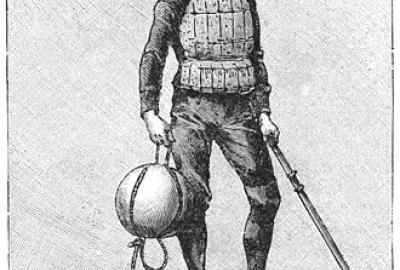
Lifejacket /Personal Flotation Device (PFD) Requirements
A well-equipped, centrally located damage control kit together with a damage control plan are important to a safe voyage.
Read more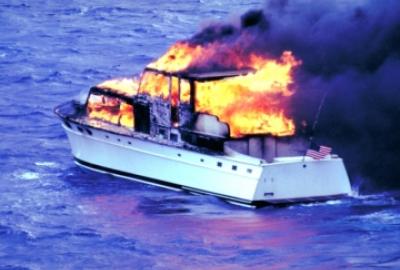
A fire aboard a vessel is very scary. With an uncontrolled blaze, there is nowhere to go except into the water or a life raft. A boat fire spreads very rapidly. You must attack it immediately and effectively; otherwise you will deplete your extinguishing resources before you put it out.
Read more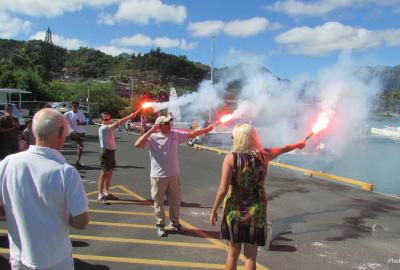
Which distress signaling devices to carry is determined by local government and race authorities’ requirements, in what waters the vessel plans to sail, cost and personal choice.
Read more
Despite my better judgment, I was coerced into delivering a 40’ cruising sloop up the coast from Oceanside to Moss Landing in early December, a distance of 350 nautical miles. While December weather can be relatively flat and beautiful, it can also deliver mid-latitude low after mid-latitude low for weeks and virtually eliminate any chance of making a safe or comfortable passage.
Read more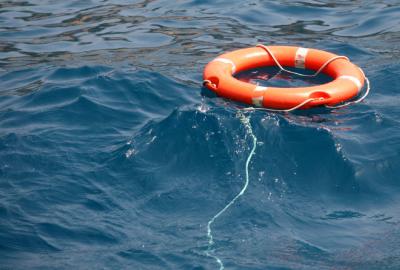
Frequently we move some of our safety thinking to the back when on a charter vacation. Life is good, we are laid back, so we are not thinking of safety. But squalls happen, so here are some thoughts about COB recovery.
Prevention:
Read more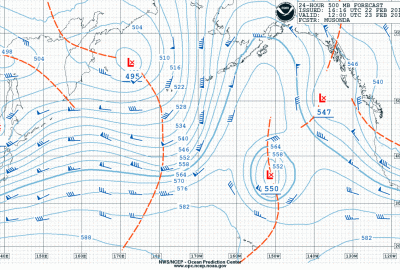
Knowing what weather is coming is as important to sailors as how to raise a sail, steer the boat, or how to tack.
Read more