Type 50 Lifejackets: Is Less Really More in Some Instances?
Is Less Really More in Some Instances?
“Safety Moments, presented at CCA Stations and Posts”
By Chuck Hawley, SAF Station, 5/26/26
Last weekend, I had the pleasure of racing on a Sydney 38. The conditions were just about perfect: flat seas and a nice 10-12 knot breeze. We were up against a fun mix of boats, including a Wylie 46, a J-105 and an Express 34.
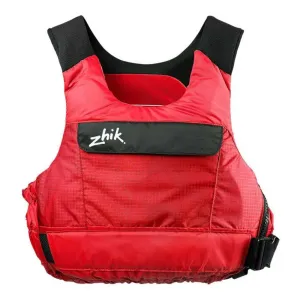
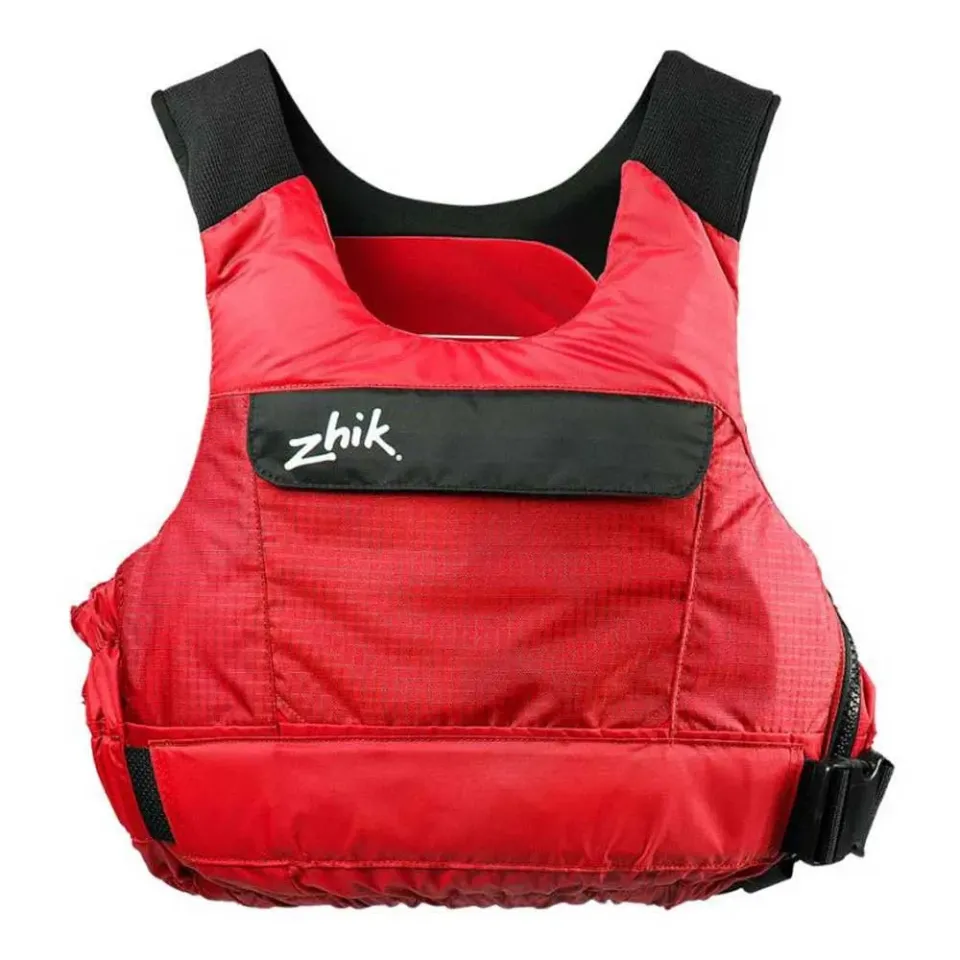
Our crew of eight was all geared up for the day. While I stuck with my trusty Mustang inflatable, most of the team opted for foam "dinghy vests." A couple of the guys even wore those super slim European vests. They looked incredibly comfortable and didn't snag on anything, but technically, they aren't U.S. Coast Guard-approved. They're perfectly fine to wear, but they just don't count toward the boat's legal inventory of life jackets if you ever get boarded.
At first, the rule-follower in me was a little annoyed, but I quickly got back to work trimming the mainsail. I found myself digging deep into my memory from the North Sails Fast Course (circa 1983) trimming tips: adjust twist so the upper batten aligns with the boom, keep the draft roughly in the center, and use the backstay for the amount of draft. At least I think that was the advice. Regardless, it was more fun than worrying about life jacket regulations.
The interesting thing is that similar low-buoyancy vests, known as Level 50 "buoyancy aids," will be hitting the North American market soon with official U.S. and Canadian approval. They aren't considered life jackets[1] per se, but they have their place. Here is a quick breakdown of how they compare to the more common Level 70 vests:
Category of Device | Buoyancy in Newtons | Buoyancy in Pound-Force | Required to be worn to be counted? | Recommended for those who cannot swim? |
Level 50 | 50 | 11.2 | Yes | No |
Level 70 | 70 | 15.7 | No | Yes |
The trick is getting boaters to select the right tool for the job. Level 50 aids are great for those who can swim in calm water where help is nearby. If you aren't a strong swimmer or you're heading into rougher waters, you'll definitely want to step up to a Level 70 (or higher.)
The goal here is simple: we want more people to actually wear their flotation to reduce boating fatalities (556 in 2024). By choosing approved gear, you ensure it's built well and will actually perform when it counts. Be careful when shopping online—if a product doesn't explicitly mention U.L. standards or Coast Guard approval, it's probably best to skip it.
Level 50s are worth considering for folks on SUPs, kayaks, people who participate in towable watersports, or dinghy sailors in inland waters. They are comfortable enough that you'll actually keep them on. Just remember: the farther offshore you go, the more buoyancy you should bring along for the ride!
The Cruising Club of America is a group of accomplished recreational offshore sailors bound together by friendship and the desire to foster the responsibilities, expertise, and skills needed for the adventurous use of the sea. Safety Moments are brief updates on marine safety issues, presented by station Safety Officers at meetings. They are published by the CCA Safety and Seamanship Committee and are intended to advance seamanship and safety by highlighting new technologies, suggestions for safe operation and reports of maritime disasters around the world.
[1] The term “life jacket” has specific meanings in the ISO and other standards, a topic we’ll be discussing in a future Safety Moment.