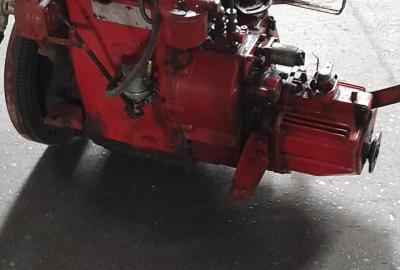
... as we passed the small island of Isla de San Martin, we received a call on the VHF from another returning boat. The skipper, Bob, turned out to be a friend of mine, and he and his first-mate Carrie were double-handing one of the smallest boats in the race fleet back to Southern California. Their engine had stopped working and they were facing a beat of perhaps 150 miles to San Diego. Could we, they asked, see if we could fix their Bukh (Danish) diesel?

“Safety Moments, presented at CCA Stations and Posts”
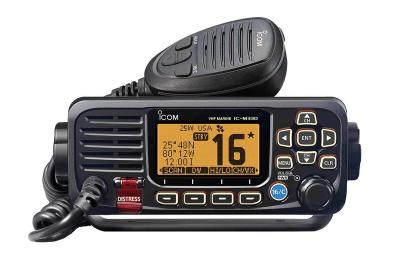
The CCA Offshore Communications Committee has prepared an in-depth overview of offshore communications methods and co
A problem can easily arise when several knowledgeable sailors are on deck during a passage or even a daysail and it is not clear who is charge. Each is partially attentive, but no one is paying attention to the details on the chart or what other boats are hidden under the jib but are on a collision course. Even couples on a passage can have this problem when both are on deck during the day.
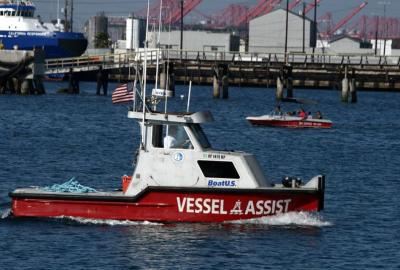
Many of us have a general idea about how we’d tow another boat back to the harbor or gas dock or a safe anchorage. While most sailboats don’t generate a lot of pull, they can generally tow a similarly-sized sailboat at four or five knots, which frequently beats waiting for the wind to fill in. Since the loads generated are more modest than those generated by a vessel capable of higher bollard pulls, a few rules suffice: